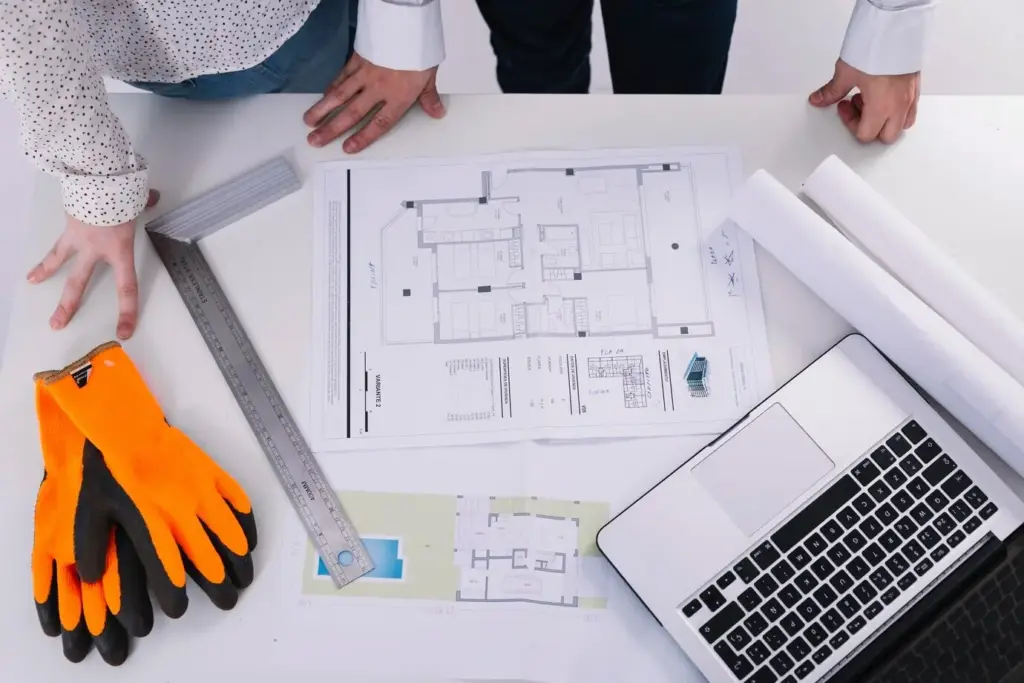
Renovate in Phases, Live in Comfort

Today we dive into phased remodeling while occupied—sequencing upgrades from layout changes to finishes—so you can modernize your home without moving out or losing your daily rhythm. We will map a practical order of work, protect comfort, control dust, manage budgets, and keep communication clear. Expect honest stories, tested checklists, and engagement prompts inviting your questions and experiences, because real homes, real families, and real trade schedules demand flexible, humane planning.

Blueprinting a Livable Roadmap

Before any wall comes down, build a plan that respects daily life as much as construction efficiency. A reliable roadmap clarifies phases, dependencies, and acceptable disruptions, aligning your contractor, family routines, and neighbors. With a clear sequence and protective logistics, you spend fewer nights improvising, fewer mornings cleaning, and more time feeling confident that each step moves you closer to a comfortable, finished home.

Everyday Comfort Without Packing Boxes

Living through construction can be surprisingly manageable with a few clever setups. A functional temporary kitchen, predictable bathroom access, controlled traffic, and safe storage reduce stress. Consider acoustics, lighting, and indoor air quality alongside convenience, because comfort is not a luxury—it is the fuel that sustains patience and goodwill. Small upgrades like better task lighting or rubber mats often deliver outsized happiness during long phases.

A Temporary Kitchen That Truly Works

Build a compact station with an induction hotplate, microwave, electric kettle, and a covered prep surface near an easily cleaned floor. Add a plug-in water filter, a dish bin rotation, and a folding drying rack. Use a mini freezer for batch cooking and label bins for breakfast, snacks, and kids’ items. Keep one knife, one pan, and one pot accessible to simplify cleanup and decision fatigue.

Bathroom Access Without Daily Drama

Stagger work so at least one bathroom remains functional, even if minimally. Install temporary shower liners, ensure adequate ventilation, and keep a caddy for essentials that travels with you between zones. Coordinate with crews to protect morning and evening routines, and request quiet hours for bedtime. Post a simple schedule everyone can see. When plumbing outages occur, provide notice, drinking water, and practical alternatives well in advance.

Protecting Kids, Elders, and Pets

Create secure barriers with childproof latches and clearly marked no-go lines. Assign a calm room for naps, remote work, or pet downtime with an air purifier and white noise machine. Move medications, cleaners, and sharp tools into locked storage. Communicate daily hazards—wet floors, adhesives, fasteners—to everyone. Gentle routines and consistent rules reduce anxiety, improve cooperation with crews, and keep your home feeling caring and organized.

From Structure to Shine: The Right Order of Work

A thoughtful sequence prevents rework, protects finishes, and shortens disruption. Start with layout changes and structural corrections, then bring in mechanical, electrical, and plumbing rough-ins, followed by insulation, drywall, and trim. Finish with cabinets, tile, flooring, paint, and fixtures. Open one area at a time, complete it, and reopen it for living before moving on. This rhythm safeguards sanity, quality, and clear accountability across trades.

Dust, Noise, and Safety Mastery

Healthy air and predictable sound levels sustain goodwill at home and with neighbors. Use real containment, negative air, and HEPA filtration, not just plastic tape. Plan loud work during reasonable windows and communicate ahead. Post safety signage, keep paths clear, and secure tools. End-of-day resets restore calm. When you can breathe easy and think clearly, patience lasts longer and decisions improve noticeably.

Budgets, Contingencies, and Timelines That Hold

Cost and schedule pressure rise when you live on-site. Clear allowances, thoughtful alternates, and phase-specific contingencies keep choices flexible without panic. Track decisions early to lock lead times. Release payments by milestones and verify quality before moving forward. Simple dashboards help everyone see status, preventing surprises. Invite questions and share updates openly; transparency reduces stress and builds a collaborative, problem-solving mindset.

Right-Sized Allowances and Smart Alternates

Set realistic allowances for tile, lighting, hardware, and appliances based on current market data, not wishful thinking. Identify two alternates for each critical item to dodge delays and price spikes. Document specifications with links, finish codes, and samples. When budget pressure appears, value-engineer hidden locations first, not the touchpoints you interact with daily. Decisions feel lighter when options are prepared and aligned with priorities.

Contingency Tiers Per Phase

Allocate larger contingency during structural and rough-in phases, when surprises lurk, and taper as unknowns shrink. Define trigger points for releasing or replenishing reserves based on inspection outcomes and delivery confirmations. Track change orders in real time with cause codes—scope, hidden condition, or preference—so patterns emerge. Clarity here empowers better planning, calmer conversations, and confidence that the finish line will be reached gracefully.

Staging Deliveries and Protecting Materials

Schedule cabinetry, flooring, and stone tops to arrive just-in-time, with inspected storage space ready if weather disrupts plans. Acclimate wood products properly, log serial numbers, and photograph conditions on arrival. Use breathable covers and raised pallets to prevent moisture damage. Protect installed items with Ram Board, shoe covers, and corner guards. Materials last longer and disputes vanish when custody and care are documented.

Communication That Prevents Missteps

Consistent, friendly communication turns complex sequencing into a calm routine. Short weekly check-ins, shared calendars, and written decisions eliminate guesswork. Post site rules and keep an updates board visible. Celebrate finished zones and small victories to maintain morale. Ask for feedback, invite questions, and encourage subscribers to share lived-in remodeling tips in the comments—your stories help others navigate the same challenges with confidence.

Weekly Standups and a Shared Source of Truth

Hold a fifteen-minute standing meeting to confirm scope for the week, decisions needed, and blockers. Keep drawings, change orders, and selections in a single digital folder everyone can access. Summarize action items by owner and due date. This rhythm prevents slow drift, accelerates approvals, and builds trust. Small, consistent alignment beats dramatic course corrections every time when the house is still your home.

Visual Calendars, Labels, and QR Links

Post a big-picture calendar and a daily board by the entry. Color-code zones, label shutoff valves, and tag circuits. Place QR codes to link specs, safety sheets, and finish schedules so answers appear instantly. Clear visuals reduce interruptions, protect finishes, and empower helpers to self-serve the right information. The job feels organized, professional, and quietly respectful of the people living alongside it.

House Rules Everyone Signs

Write simple, fair guidelines covering work hours, access, parking, noise, smoking, pet gates, restroom use, and cleanup. Have all parties acknowledge them, and revisit when phases change. Clarity prevents awkward moments and builds a culture of care. When expectations are visible and mutual, tensions fade, progress accelerates, and your home life remains grounded. Share your favorite rules or lessons learned to help future readers.
Nevoraxistal
Privacy Overview

This website uses cookies so that we can provide you with the best user experience possible. Cookie information is stored in your browser and performs functions such as recognising you when you return to our website and helping our team to understand which sections of the website you find most interesting and useful.