From Blueprint to Blissful Living

Defining Outcomes That Matter
We start by identifying outcomes you can measure: healthier indoor air, more daylight, improved storage, lower energy bills, and a layout that supports how you truly live. Families often realize that a great mudroom or pantry changes daily happiness more than grand features. By documenting these outcomes and ranking them together, the team avoids costly distractions, protecting budget and schedule from nice-to-have ideas that do not serve your real goals.
Translating Vision into a Measurable Scope
A vision becomes manageable when translated into rooms, systems, and performance targets. We map which walls move, which finishes change, which mechanicals upgrade, and which code triggers apply. That clarity helps the integrated team pre-coordinate trades, sequence inspections, and price with precision. When everyone sees the same scope narrative and drawings, you receive fewer surprises, smoother approvals, and a clear picture of what will change—and why each change supports your priorities.
Establishing Budget Guardrails Early
Open conversations about investment range, allowances, and contingency create the guardrails that keep creative decisions honest. Early cost modeling connects design choices to lived realities, preventing a beautiful concept from outpacing your financial comfort. A right-sized contingency protects you from hidden conditions, while allowance strategies keep flexibility for finishes without risking overrun. With disciplined updates at each milestone, you stay empowered, adjusting scope or specifications before small misalignments grow into larger challenges.
Collaborative Design That Builds While It Draws



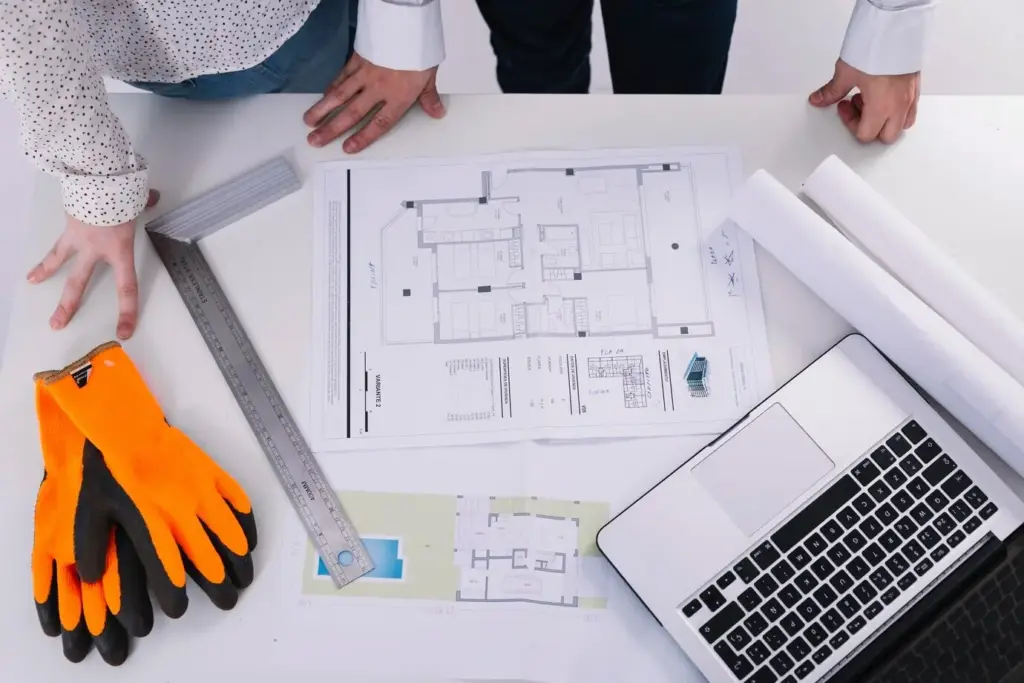

Phasing Rooms to Keep Life Moving
Thoughtful phasing can maintain a temporary kitchen, rotate bathroom availability, and sequence closures to limit disruption. Zoning work areas with clear barriers, dedicated pathways, and negative air management dramatically reduces dust migration. Families often choose to tackle bedrooms first, securing restful space before high-traffic areas. By mapping daily routines and school schedules, the plan protects quiet hours, pet safety, and work-from-home needs. Renovation feels coordinated, not chaotic, because the calendar honors real life.
Permits, Inspections, and Neighbor Goodwill
Smooth inspections begin with complete documents, code-aware details, and respectful communication. Posting schedules, keeping access clear, and anticipating inspector questions builds trust and reduces rework. Beyond paperwork, small gestures—quiet start times, tidy sidewalks, and shared parking plans—preserve neighbor goodwill. In many cities, considerate coordination can prevent complaints that risk stop-work orders. The integrated team champions these courtesies because they are smart risk management and an extension of the home you are improving.
Critical Path, Float, and Weekend Realities
A transparent schedule highlights the tasks that must happen on time—the critical path—and where float exists for flexibility. When lead times shift, the team rearranges non-critical tasks to protect milestones. Weekend work is planned thoughtfully to respect noise ordinances and rest. Regular look-ahead meetings surface issues before they stall progress. You will see risks early, approve mitigations quickly, and witness a timeline that adapts without losing its backbone or your trust.
Cost Clarity, Change Control, and Honest Contingencies

Transparent Estimates and Allowance Strategies
Change Requests That Inform, Not Surprise
Procurement Timing That Protects Price and Quality

Quality, Safety, and Performance You Can Feel
Communication Rhythms That Keep Decisions Flowing
Weekly Huddles and Decision Deadlines
Dashboards, Photos, and a Shared Source of Truth
Issue Logs, Risk Reviews, and Calm Resolutions

All Rights Reserved.