Historic Home Overhauls That Honor Their Soul
Reading the House Before You Redesign
Strengthening Without Erasing

Mechanical Upgrades With Minimal Intrusion
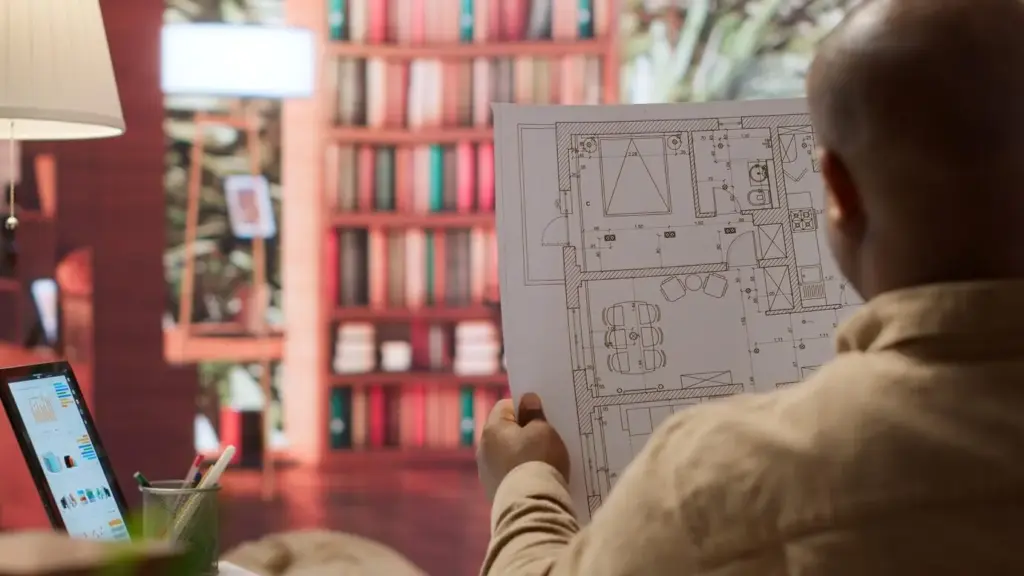
Navigating Codes and Approvals

Crafted Finishes That Tell the Story
Plaster, Lime, and Breathable Walls
Millwork, Joinery, and Profiles
Flooring, Patterns, and Patina
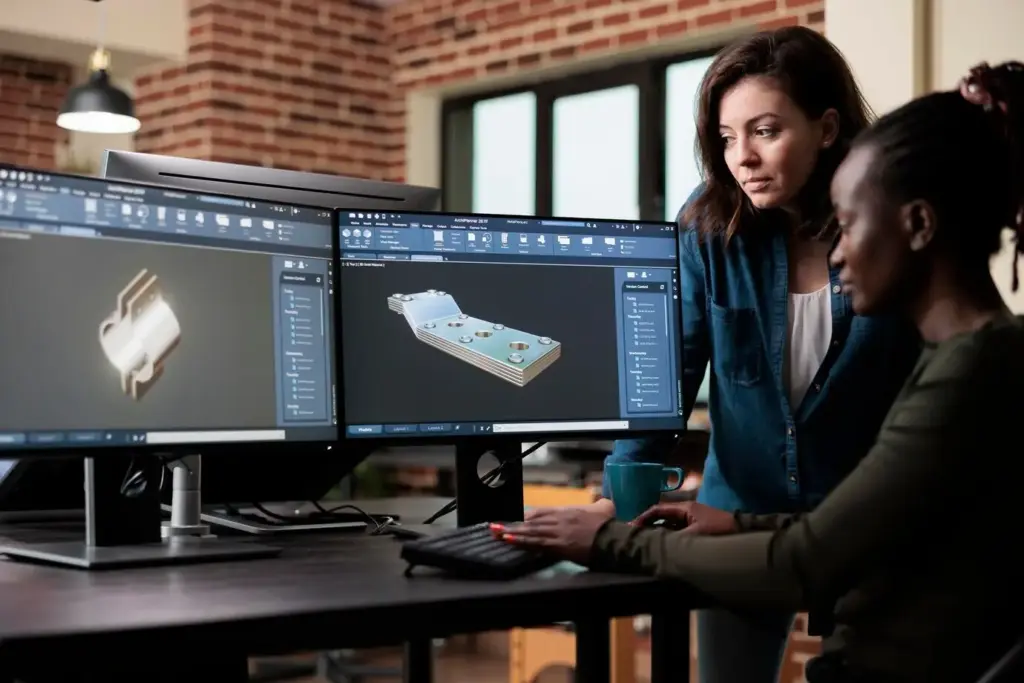
Comfort and Efficiency Without Compromise
Windows: Repair, Weatherstrip, or Replace?
Original sash often outperform expectations when restored. Tighten joints, tune pulleys, add wool pile weatherstripping, and consider interior storms for significant gains. Evaluate glass for safety and clarity, upgrading selectively where needed. If replacement becomes unavoidable, choose profiles, muntin dimensions, and glazing reveals that respect context. Share before-and-after air-leak results and condensation observations so readers can compare strategies and costs. The aim is comfort and longevity without erasing the gaze that defines the facade.
Insulation Strategies for Old Walls
Insulating historic envelopes demands humility. Dense-pack cellulose can work where moisture dynamics are understood, while vapor-open approaches often outperform impermeable systems. Respect drainage paths, capillary breaks, and drying potential. In cold climates, prioritize attic and basement work before risky wall interventions. Coordinate continuous air barriers at transitions, testing as you go. Describe your assemblies, costs, and seasonal performance in the comments to help others choose paths that protect both budgets and building health.
Moisture Management and Ventilation
Water is the quiet antagonist of old buildings. Plan reliable flashing, monitor bulk water paths, and right-size ventilation to manage humidity without creating drafts or noise. Consider balanced systems with heat recovery, and maintain gentle pressure relationships that avoid pulling damp air through fragile assemblies. Track indoor humidity across seasons and share data trends. When we design for water first, finishes last longer, indoor air feels fresher, and treasured details remain crisp and resilient.
New Work That Respects the Old
Additions with Honest Contrast
Kitchens and Baths in Historic Shells
Lighting, Hardware, and Color Palettes
Planning, Budgets, and the Right Team
All Rights Reserved.